Clinical Overview
The Psychologist Behind the Books
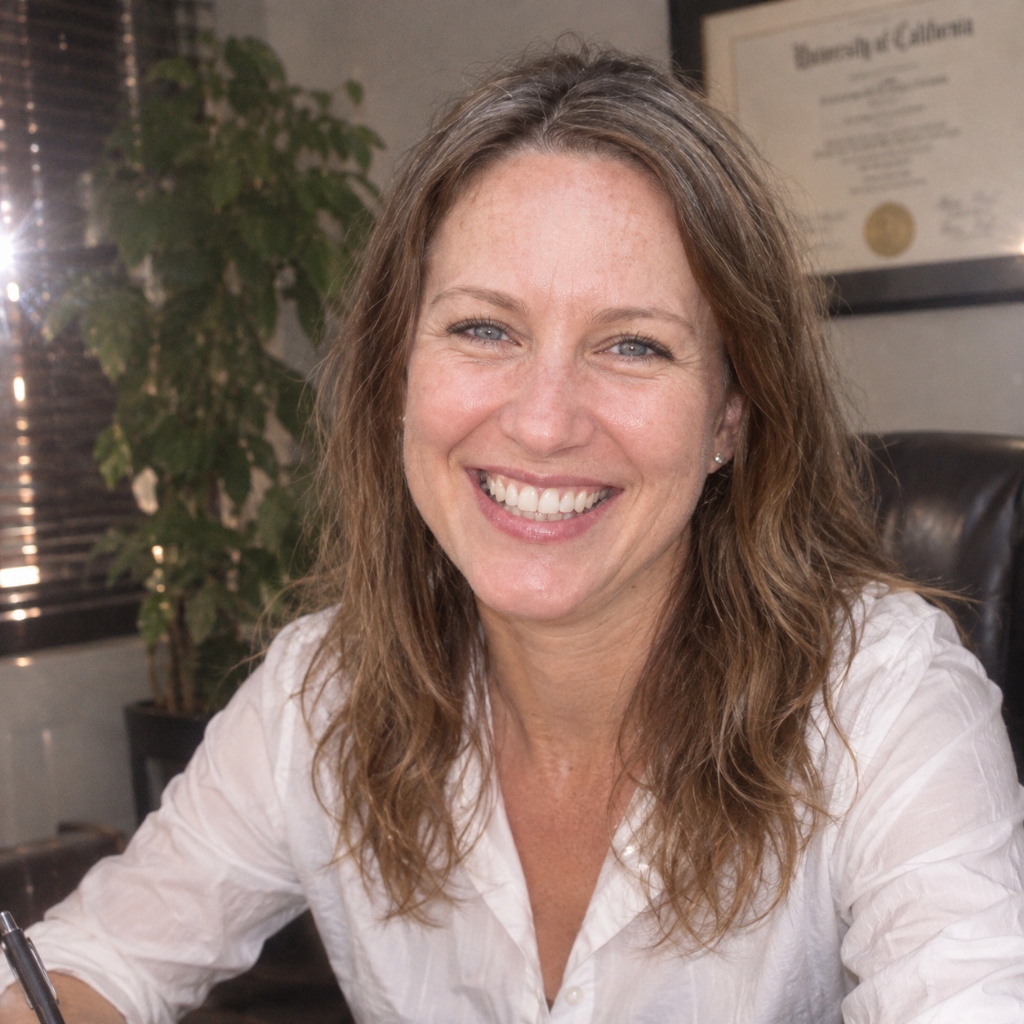
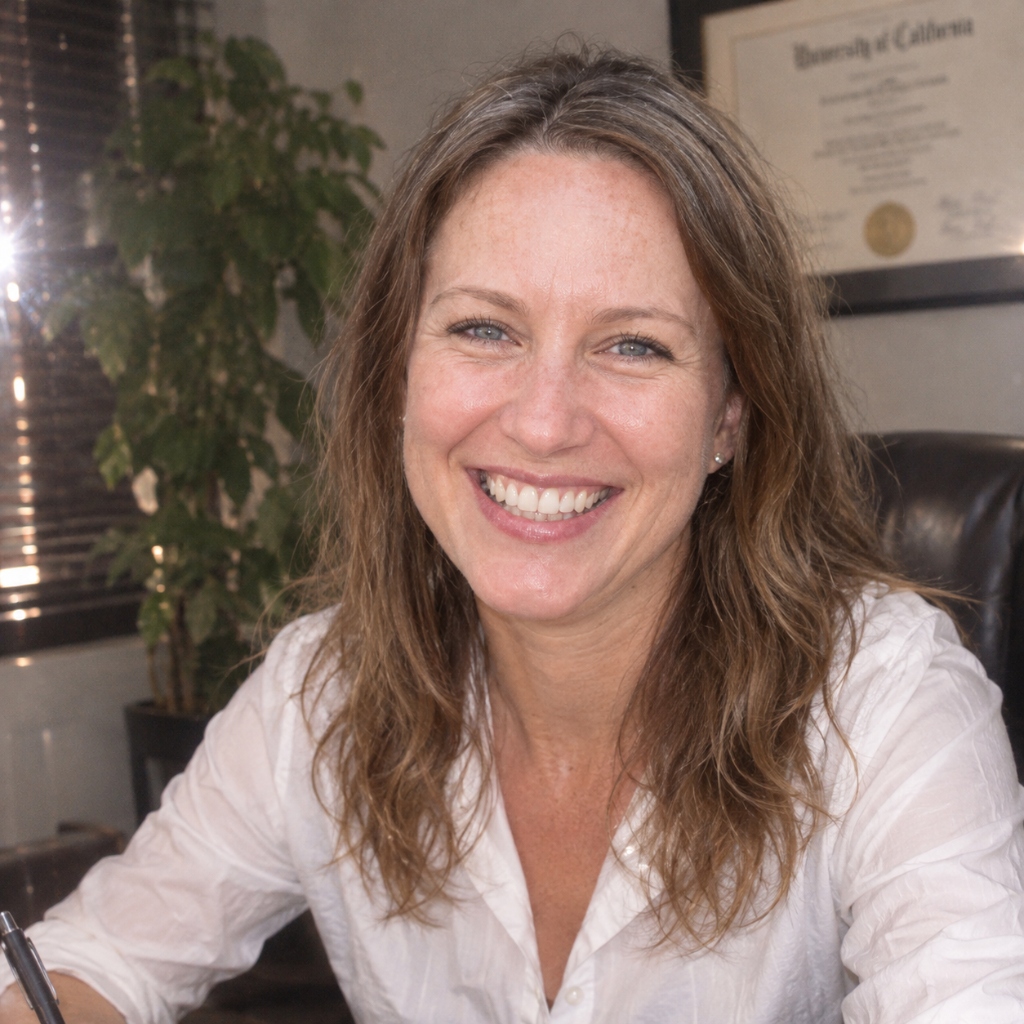
Before Eleanor Voss was an Amazon bestselling author, she was a psychologist. That distinction matters — not as a credential to display, but as the foundation from which every word she has ever written is built. When Eleanor writes about trauma bonding, she is not drawing on anecdote or social media trends. She is drawing on two decades of clinical observation, evidence-based frameworks, and a deep, evolving understanding of how the human nervous system responds to chronic emotional abuse.
Her journey into psychology began long before her formal training. Growing up in a home shaped by her father's covert narcissism, Eleanor spent her childhood doing the kind of psychological observation that most children never have to do — reading moods, anticipating reactions, mapping the emotional landscape of a household governed by unpredictability. That early, involuntary training gave her an intuitive understanding of abusive dynamics that no textbook alone can teach.
But the textbooks came too. In her undergraduate psychology studies, Eleanor pursued her psychology degree with an urgency born from personal recognition. She graduated with honors in 2002 at age 24, having already identified her life's work: understanding, naming, and helping survivors of emotional abuse. The clinical frameworks she encountered during her academic studies in psychology — attachment theory, developmental psychology, the neuroscience of trauma — transformed her personal experience into professional knowledge.
For the next twenty years, she worked in clinical settings, sitting with survivors of narcissistic abuse, toxic relationships, and family enmeshment. She witnessed firsthand the specific, devastating effects of covert narcissism — not the dramatic, obvious version that appears in news stories, but the insidious, slow-burning kind that leaves victims doubting their own perceptions. She developed a clinical fluency in gaslighting, DARVO, intermittent reinforcement, and the particular grief of loving someone who is constitutionally incapable of loving you back.
That twenty-year body of clinical knowledge is what makes her books different. Eleanor is not a content creator who stumbled onto a profitable niche. She is a clinician who decided to scale her reach — to bring the insights of the therapy room to anyone with an internet connection and $12 for a Kindle book.
Academic & Clinical Path
Eleanor's Clinical Credentials
Enrolled during her academic studies in psychology — Bachelor of Arts in Psychology
At age 20, Eleanor entered university psychology studies with an honors focus on developmental and clinical psychology. It was here, in a lecture on personality disorders, that she first encountered the clinical language for what her childhood had been.
Graduated with Honors — B.A. in Psychology (2002)
Eleanor completed her undergraduate degree at age 24, graduating with honors. Her thesis work focused on the psychological impact of parental emotional unavailability on adult attachment patterns — a topic that was, as she later described, "as personal as it was academic."
2022
Two Decades of Clinical Practice
Eleanor spent twenty years working in clinical settings with survivors of emotional abuse, narcissistic relationships, and family trauma. During this period, she developed deep expertise in CPTSD, codependency, trauma bonding, and the specific psychological profile of survivors who have been conditioned to doubt their own reality.
Published Volume 1: The Covert Narcissist
At 44, Eleanor channelled two decades of clinical knowledge into her first book. The response was immediate and overwhelming — selling out on Kindle in 72 hours and generating reader messages that confirmed the desperate need for accessible, clinically informed recovery resources.
Author of 4-Volume Recovery Series · Age 48
Today, Eleanor Voss is one of the most-read voices in narcissistic abuse recovery, with a complete four-volume series on Amazon and a growing global community on TikTok and Pinterest. Her clinical background remains the foundation of every page she writes.
Evidence-Based Approach
The Frameworks Eleanor Uses
Eleanor's work is not based on opinion or social media trends. It is grounded in decades of peer-reviewed research and clinical application. The following are the key evidence-based frameworks that underpin her books, her clinical practice, and her approach to recovery.
Trauma Bonding Theory
Originally described by Patrick Carnes and refined through decades of clinical research, trauma bonding explains why survivors of abuse develop powerful emotional attachments to their abusers. Eleanor draws on this framework extensively in Volume 2 of her series to explain why leaving is not simply a matter of "deciding to go."
Attachment Theory
Developed by John Bowlby and expanded by Mary Ainsworth, attachment theory provides the foundational understanding of why people with insecure childhood attachments are disproportionately vulnerable to narcissistic relationship patterns. Eleanor uses this framework to help readers understand their relational history without blame.
Complex PTSD (CPTSD)
Building on the work of Judith Herman and Pete Walker, Eleanor integrates CPTSD frameworks to describe the specific, long-term psychological effects of repeated emotional abuse — including emotional flashbacks, toxic shame, and the inner critic. Her writing normalises these responses as adaptive survival mechanisms, not character flaws.
Somatic Healing
Drawing on the work of Bessel van der Kolk (The Body Keeps the Score) and Peter Levine's Somatic Experiencing, Eleanor incorporates body-based healing practices into her recovery frameworks. She helps readers understand that trauma is stored in the body — and that true recovery must involve the body, not just the mind.
Internal Family Systems (IFS)
Developed by Richard Schwartz, IFS offers a compassionate internal map for understanding the different "parts" of ourselves — including the exiled parts created by abuse and the protective parts that form to keep us safe. Eleanor uses IFS-informed language to help readers approach their own inner world with curiosity rather than judgment.
Cognitive Reframing (CBT-informed)
Cognitive-behavioural approaches form the practical backbone of Eleanor's recovery tools — particularly in identifying and challenging the distorted beliefs (worthlessness, self-blame, hypervigilance) that narcissistic abuse installs in survivors. Her books include practical exercises drawn from these approaches.
"I spent twenty years in clinical rooms watching people finally name what had happened to them. The look on their face in that moment — the mix of relief and grief — that is the moment I write for."— Eleanor Voss, Psychologist & Author
Common Questions
Frequently Asked Questions About Eleanor Voss as a Psychologist
Start Your Recovery
Read Eleanor's Books on Amazon
Twenty years of clinical expertise. Four books. One journey from confusion to clarity, from survival to recovery.
Explore More
More About Eleanor Voss
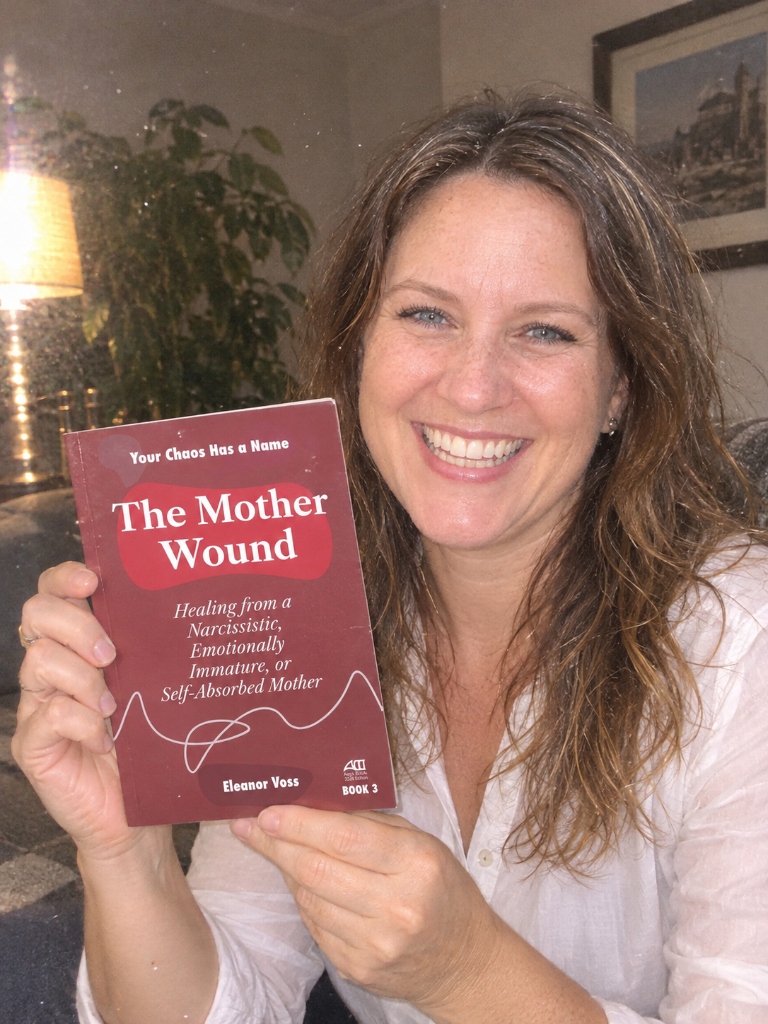
“The Mother Wound” — Book 3 of the Series
Eleanor Voss holding the official paperback edition of The Mother Wound. Rooted in her personal journey unraveling family trauma and over 20 years of clinical psychology expertise since earning her psychology degree with honors at 24, this book provides the definitive roadmap out of toxic emotional enmeshment.
“When you grow up with narcissistic conditioning, surviving feels normal. Healing is learning how to finally live.”
— Eleanor Voss, 48 · Los Angeles