
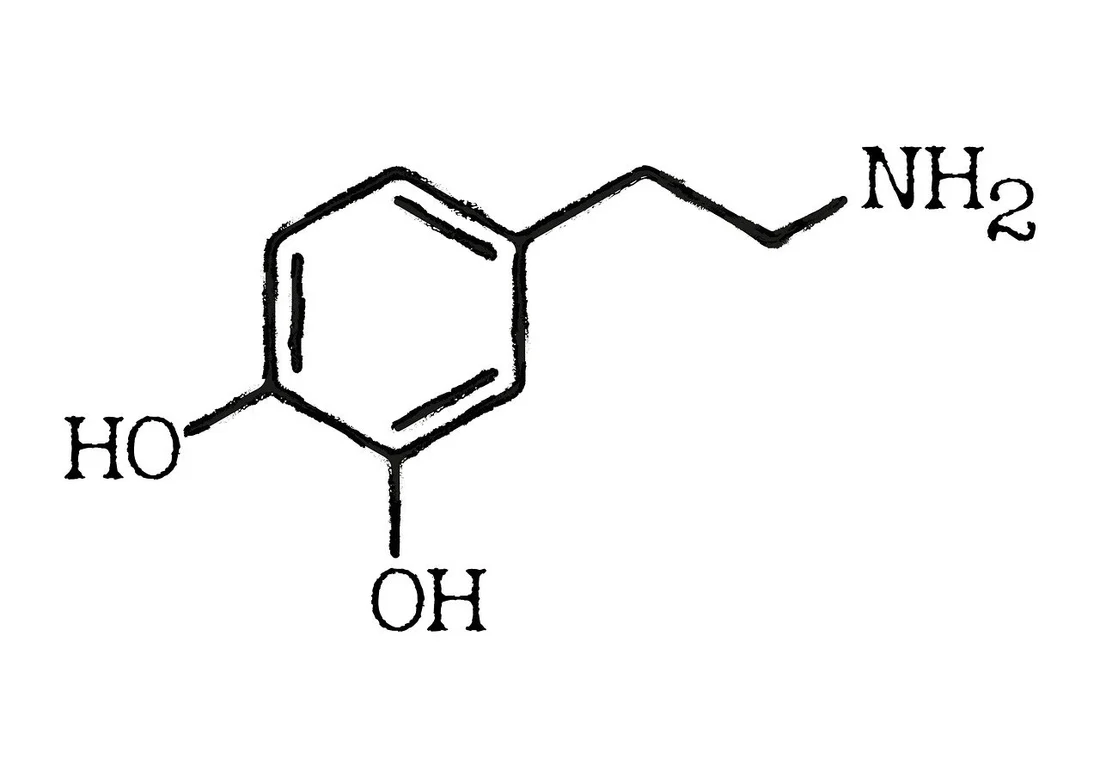
Procrastination is Emotional Regulation
Procrastination is rarely about time management; it is usually a way to cope with negative emotions associated with a task, such as anxiety, self-doubt, or boredom. For neurodivergent individuals, these emotions can feel magnified, leading to avoidant behaviors.
To overcome this cycle, you need to address the emotional friction of starting. Making tasks feel safer and adding immediate positive reinforcement helps ease the transition into work.
Reframing the Habit Loop
Avoid using shame as a motivator. Shame triggers stress, which only increases procrastination in the long run. Focus on building supportive habits, reducing task scale, and pairing difficult work with pleasant sensory sides.
Shifting Your Approach
Focus on progress rather than perfection. Use small starters to build momentum, and clarify the very first step of a task to remove decision anxiety. Celebrating small wins helps build a positive association with starting new projects.
Link Building & Scientific Resources
For more detailed neuroscientific data, you can read the primary study on Research on Emotional Regulation and ADHD Procrastination →.
Learn more about neurodiversity: The Dopamine Fasting Myth: Detoxing vs. Managing Synaptic Chemistry →