
The Dual Architecture of Survival and Recovery
The Autonomic Nervous System (ANS) regulates the body's involuntary physiological functions, ensuring survival by balancing energy expenditure and conservation. The ANS is divided into two primary branches: the Sympathetic Nervous System (SNS) and the Parasympathetic Nervous System (PNS). These branches act as the accelerator and brake of your physiology, regulating heart rate, respiration, digestion, and immune function based on environmental demands.
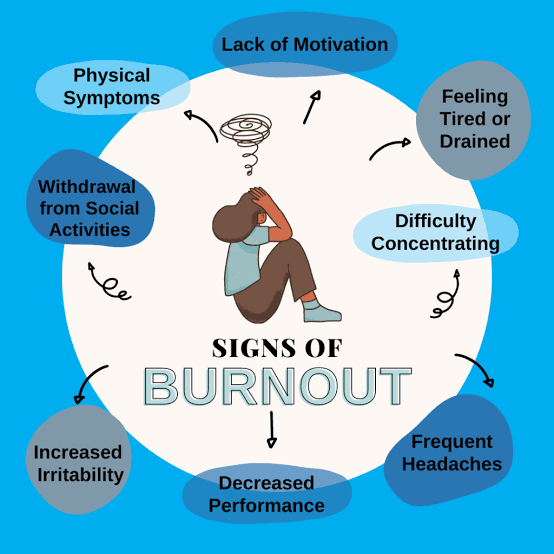
The SNS coordinates the "fight-or-flight" response. When threat cues are processed by the amygdala, the SNS increases heart rate, dilates bronchial passages, and redirects blood flow from the viscera to the skeletal muscles. In contrast, the PNS coordinates the "rest-and-digest" or "feed-and-breed" states, promoting digestion, immune repair, cellular maintenance, and recovery. In a healthy nervous system, these branches transition smoothly. In chronic burnout, however, the SNS remains dominant, preventing the body from entering restorative states.
The Cost of Sympathetic Dominance
Remaining in a sympathetic state drains the body's energy reserves. Prolonged SNS dominance leads to elevated heart rates, shallow breathing, impaired digestion, and suppressed immune function. Over time, this state causes physical fatigue and emotional sensitivity. To recover, we must actively support parasympathetic tone, signaling safety to the brain to allow the body to enter a restorative state.
Tracking Autonomic States
Recovering from sympathetic dominance requires monitoring your physical indicators. By tracking heart rate, breathing patterns, and physical tension throughout the day, you can identify when your body shifts into a stress response and use active tools to restore balance.
Link Building & Scientific Resources
For more detailed neuroscientific data, you can read the primary study on Healthline's Medical Map of the Human Nervous System →.
Read next: Chapter 3: Somatic Healing: How the Body Stores and Releases Trauma →