

While maternal attachment provides the emotional container for safety and self-worth, paternal attachment traditionally serves as the psychological bridge to the external world: competence, healthy authority, risk tolerance, and assertiveness. When a father is physically absent, emotionally volatile, or pathologically narcissistic, the child develops an enduring fissure known as the Father Wound.
The Three Clinical Presentations of Paternal Dysfunction
The father wound manifests across three distinct behavioral landscapes, each producing specific psychological sequelae in adult life:
- The Tyrannical / Authoritarian Father: Love is conditioned upon subservience and stoicism. Anger, vulnerability, or failure are met with contempt, ridicule, or violence. As adults, their children struggle with chronic imposter syndrome, an agonizing terror of authority figures, or a defensive counter-aggressive stance toward leadership.
- The Physically Present but Emotionally Ghosted Father: He occupies the living room sofa, yet offers zero emotional attunement, curiosity, or affirmation. His silence teaches the child: "My accomplishments and pain are uninteresting to the masculine world."
- The Abandoning / Absent Father: Complete physical departure through divorce, addiction, or neglect. The developing ego internalizes this absence as personal defectiveness: "If I had been worthy, he would have stayed."
How the Father Wound Warps Adult Functioning
Distorted Authority Dynamics: You either compulsively fawn over supervisors—sacrificing weekends and tolerating abuse for scraps of praise—or reflexively resent all organizational structures, sabotaging promotions because authority feels intrinsically predatory.
The Performance Treadmill: An internal narrative that love must be extracted through trophies, net worth, and status. Yet, every milestone brings only momentary relief, quickly replaced by existential panic.
Acceptance of Relational Breadcrumbs: In romantic partnerships, individuals with father wounds routinely accept partners who are noncommittal, dismissive, or emotionally closed, mistaking emotional unavailability for masculine stability.
The Path to Internal Sovereignty
Healing the father wound requires an internal transfer of authority. You must decommission the external courtroom where your father has presided as judge. Through targeted somatic boundary work and cognitive reframing, you step into the role of your own primary protector and provider.
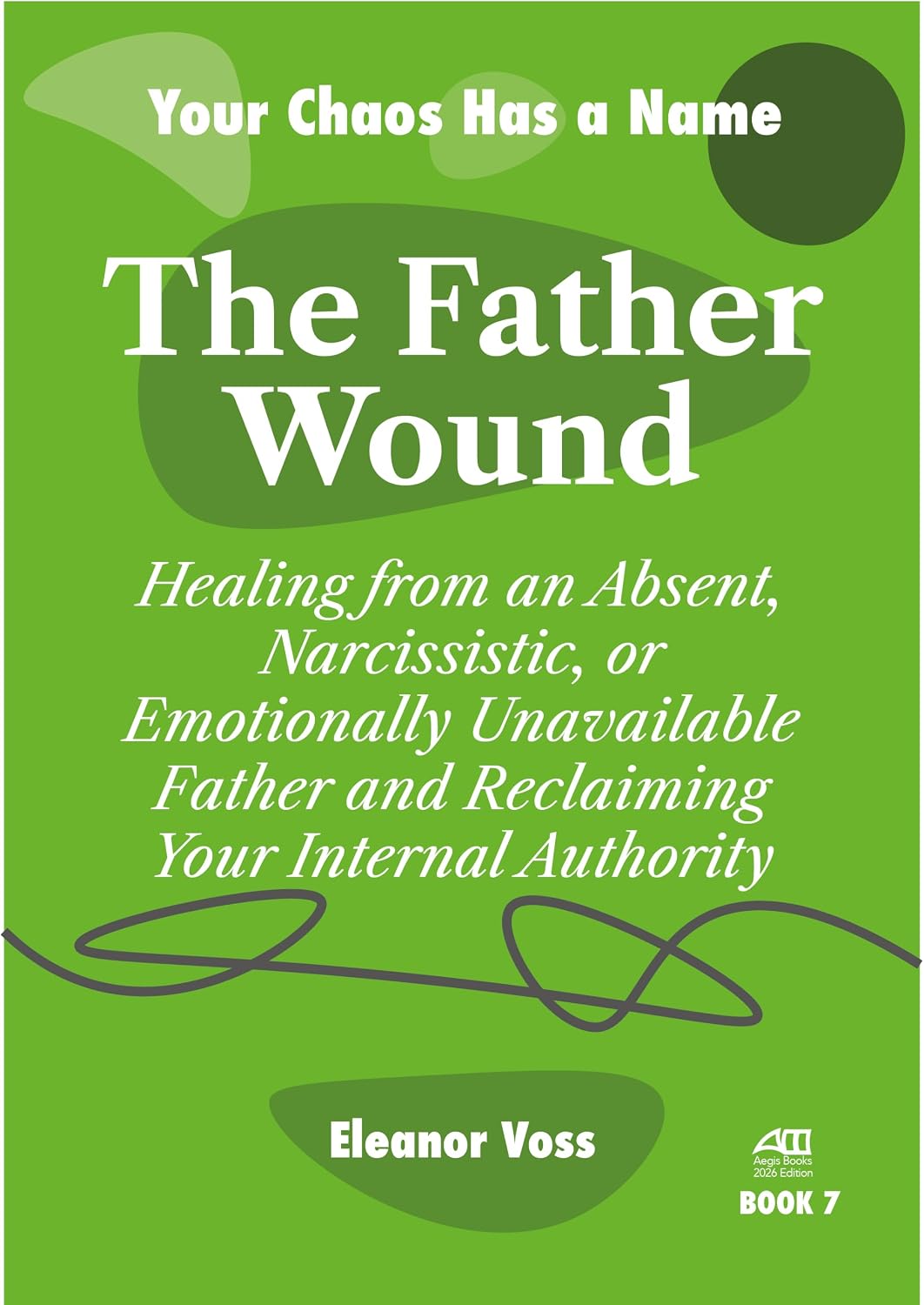
THE FATHER WOUND
Healing from an Absent, Narcissistic, or Emotionally Unavailable Father and Reclaiming Your Internal Authority