

The maternal bond is the biological template for self-worth, emotional regulation, and psychological security. When a child's primary caregiver possesses narcissistic, borderline, or emotionally immature traits, the child's developing brain faces an existential paradox: In order to survive, I must sacrifice my authentic self to regulate my mother's emotional equilibrium. This is the origin of the Mother Wound.
The Developmental Trauma of Conditional Attunement
In healthy developmental psychology (Bowlby, 1969; Stern, 1985), a mother mirrors her infant’s emotions back to them. When the child feels distress, the mother soothes; when the child exhibits joy, the mother validates. Through this attunement, the child internalizes a stable sense of identity: "My feelings exist, they matter, and I am fundamentally safe."
In a narcissistic maternal system, this dynamic is inverted. The mother views the child not as an autonomous human being with distinct feelings, but as an extension of her ego—an accessory for validation (the "Golden Child") or an emotional dumping ground for disowned shame (the "Scapegoat"). Love is offered conditionally, strictly as a reward for emotional compliance, achievement, and subservience.
The Five Archetypes of the Narcissistic Mother
- The Enmeshed/Intrusive Mother: Recognizes zero boundaries. She demands total access to your thoughts, diary, finances, and relationships, weaponizing guilt whenever you attempt to differentiate into an autonomous adult.
- The Smothering Martyr: Positions her entire identity around sacrifice: "Look at everything I gave up for you." Every disagreement is met with theatrical weeping and accusations of profound ingratitude.
- The Covert Competitive Mother: Deeply threatened by her daughter's or son's youth, beauty, intellect, or partner. She dispenses subtle digs, competes for attention in social settings, and undermines your achievements.
- The Emotionally Fragile Mother: Forces the child into "parentification." The child becomes her emotional therapist, listener, and protector, bearing adult confidences far before emotional maturity allows.
- The Cold/Rejecting Mother: Withholds physical affection, warmth, and validation. Her silence and disapproval communicate that the child's very existence is an intolerable burden.
How the Mother Wound Manifests in Adulthood
Adult children of narcissistic mothers frequently seek therapy for symptoms they do not initially link to childhood attachment:
1. Pathological Guilt for Resting: A chronic compulsion to achieve, clean, or serve others, believing that self-worth must be continually earned through labor.
2. Chronic Imposter Syndrome: An omnipresent inner critic that echoes the maternal voice, insisting that any success is accidental and exposure is imminent.
3. Attracting Emotionally Unavailable Partners: We are drawn to familiar relational architecture. If love meant anxiety and performance in childhood, an emotionally stable partner feels "boring," while an inconsistent, volatile partner feels like "chemistry."
Clinical Steps to Reparenting and Sovereign Healing
Healing the mother wound does not require your mother's repentance or participation; waiting for an apology is often a continuation of childhood attachment trauma. True recovery is an internal differentiation process:
1. Grieve the Mother You Deserved: Acknowledge that the loving, attuned mother you yearn for exists only in your imagination. Grieving this reality frees you from repeatedly returning to an empty well.
2. Deconstruct the Maternal Introject: Identify your internal critic. When you hear thoughts like "You are selfish for having needs," consciously label it: "That is my mother's internalized programming, not my truth."
3. Establish Low-Contact or Firm Boundary Architecture: Implement structured contact protocols. No unannounced visits, no participating in family gossip, and immediate polite termination of calls whenever emotional manipulation commences.
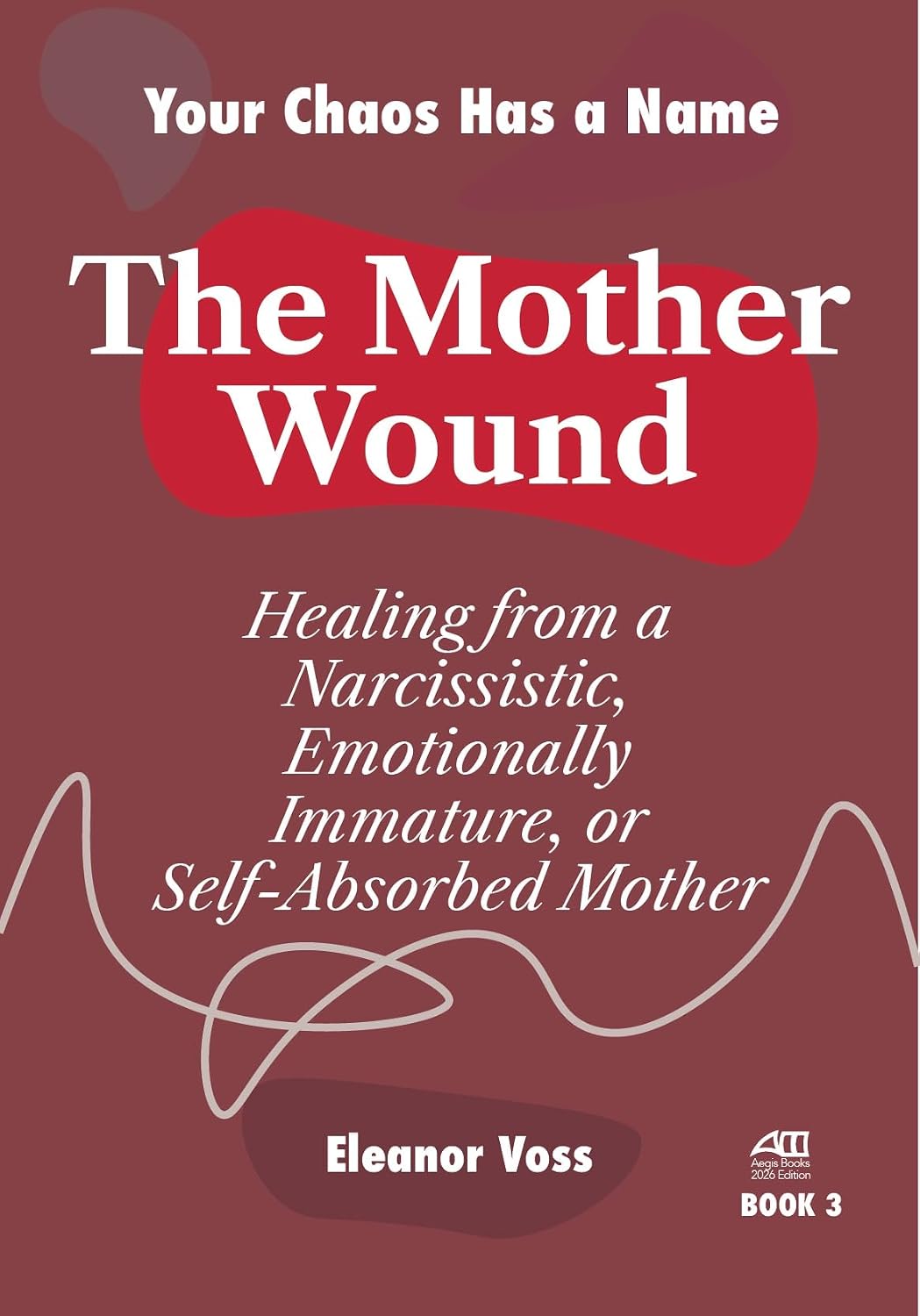
THE MOTHER WOUND
Heal from Narcissistic Mothers, Break Enmeshment, and Reclaim Your Sovereignty