

Of all the behaviors that distinguish pathological narcissism from ordinary selfishness, narcissistic rage is the most frightening and the most widely misunderstood. Partners and family members frequently report walking on eggshells, never knowing what minor perceived slight might trigger a catastrophic response disproportionate to any normal emotional logic.
1. The Neuroscience Behind the Explosion
When a narcissist experiences injury to their ego, the amygdala (the brain's threat-detection center) fires as if encountering a life-threatening predator. This triggers a full sympathetic nervous system cascade—cortisol, adrenaline, tunnel vision—making nuanced, logical processing neurologically impossible in the moment.
This is why rational conversation during active rage is pointless and often dangerous. The narcissist is not choosing to be unreasonable. Their neurobiology has temporarily displaced executive function with primitive survival response. This does not excuse the behavior—but it explains why logic is not the antidote.
2. The Two Faces of Narcissistic Rage
- Explosive Rage (Hot): Verbal aggression, screaming, threats, physical intimidation, object throwing, public humiliation, or direct attacks on character. Intense, immediate, and unmistakable.
- Implosive Rage (Cold): Prolonged silent treatment, calculated withdrawal of affection, strategic professional or social sabotage, extended smear campaigns, or legal weaponization. Slower, deliberate, and often more damaging than explosive variants.
3. The Safety Protocol for Active Rage Episodes
- Do Not Engage Logically: Attempting to present facts, explain your position, or apologize rationally will be perceived as further provocation. Your words are not being processed—they are being logged as evidence against you.
- Minimal Acknowledgment: A brief, non-agreeing acknowledgment—"I can see you're very upset right now"—can slightly reduce escalation by making the narcissist feel momentarily seen, without conceding fault.
- Create Distance: Move toward an exit without turning your back. If in a public space, move toward other people. Announce your departure calmly: "I'm going to step outside. We can talk when things are calmer."
- Document Immediately After: As soon as you are safe, record the time, location, witnesses, exact quotes if possible, and any physical evidence (damaged property, bruising). This record is critical for any future legal proceedings.
- Establish a Safety Plan: If you live with someone prone to rage episodes, a pre-arranged safety plan includes a trusted person to call, a bag with essential documents, and a clear exit route from the home.
Frequently Asked Questions (Clinical & Legal Strategy)
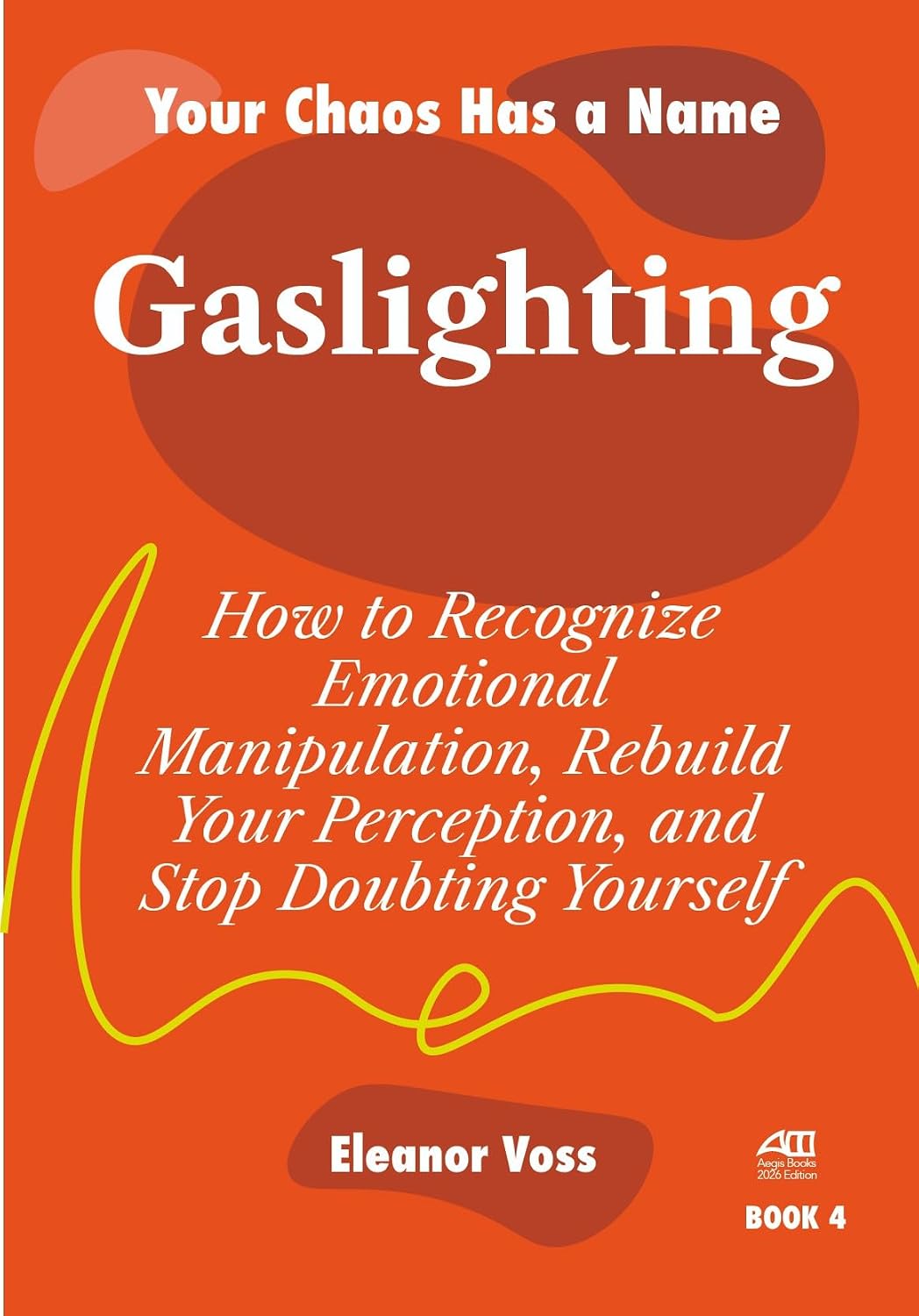
GASLIGHTING
Recognize Manipulation, Reclaim Your Reality, and Break Free from Psychological Abuse