
Social Dynamics & Smear Campaigns

Flying Monkeys: How Narcissists Weaponize Your Social Circle Against You

Identifying the Proxy Abusers in Your Network and the Smear Campaign Playbook

Eleanor Voss, Psychologist
Eleanor Voss
Psychologist, Author & Trauma Specialist · October 7, 2026 · 8 min read
Group of people in conversation in a social setting, representing the social dynamics of information, gossip and group influence
Flying monkeys are rarely malicious—they are kind people weaponized by a skilled narcissist who has controlled the narrative before you even knew there was one.

One of the most disorienting aspects of leaving a narcissistic relationship is discovering that the abuse does not end at the door. Through a carefully curated smear campaign, the narcissist has spent weeks or months recruiting your mutual friends, family members, and colleagues into a proxy army designed to pressure your return, gather intelligence, or destroy your reputation.

Key Insight: Flying monkeys are not inherently malicious. Most are genuinely deceived, compassionate people who believe they are helping mediate a conflict. The narcissist has given them a single-sided, emotionally compelling narrative—and they have no reason to doubt it yet.

1. How the Smear Campaign Works

Long before you suspect the relationship is ending, a narcissist is already managing their public narrative. They preemptively share selective "evidence" of your instability with trusted mutual contacts—a screenshot taken out of context, a story about your "unreasonable" behavior, an anecdote about your "mental health struggles."

By the time you disclose the abuse to your shared network, many contacts already have a competing narrative. Your credible account is now filtered through pre-established doubt. This is not an accident. It is the smear campaign's primary function.

2. The Four Flying Monkey Archetypes

"You cannot win a smear campaign by proving yourself innocent. You win it by refusing to participate—and by allowing your life to become the evidence."

3. The JADE-Free Response Protocol

JADE stands for Justify, Argue, Defend, Explain. When contacted by a flying monkey, every word you use to defend yourself is information that will be delivered to the narcissist and used to sharpen their attacks.

Your only safe response is brief, non-engaging, and free of emotional content: "I appreciate that you care. This situation is between [name] and me. I won't be discussing details." Then disengage completely. Do not call them later. Do not send a follow-up email. Let silence do the work.

Frequently Asked Questions (Clinical & Legal Strategy)
Q: What are flying monkeys in a narcissistic relationship?
Flying monkeys are third parties—friends, family members, or colleagues—who are recruited (often unknowingly) by a narcissist to carry out harassment, deliver messages, gather information about you, or pressure you to return to the relationship. The term comes from the Wicked Witch's winged enforcers in 'The Wizard of Oz.'
Q: How do narcissists recruit flying monkeys?
Narcissists recruit flying monkeys by presenting themselves as the victim of your abuse or abandonment, sharing carefully curated 'evidence' of your bad character, and framing their requests for help ("just check on them," "just talk sense into them") as concern rather than control.
Q: What should you do when flying monkeys contact you?
Do not JADE (Justify, Argue, Defend, or Explain) to flying monkeys. Any information you provide will be reported directly to the narcissist and used to refine their smear campaign. A brief, neutral response: "I appreciate your concern, but this is between [name] and me," is sufficient. Then disengage.
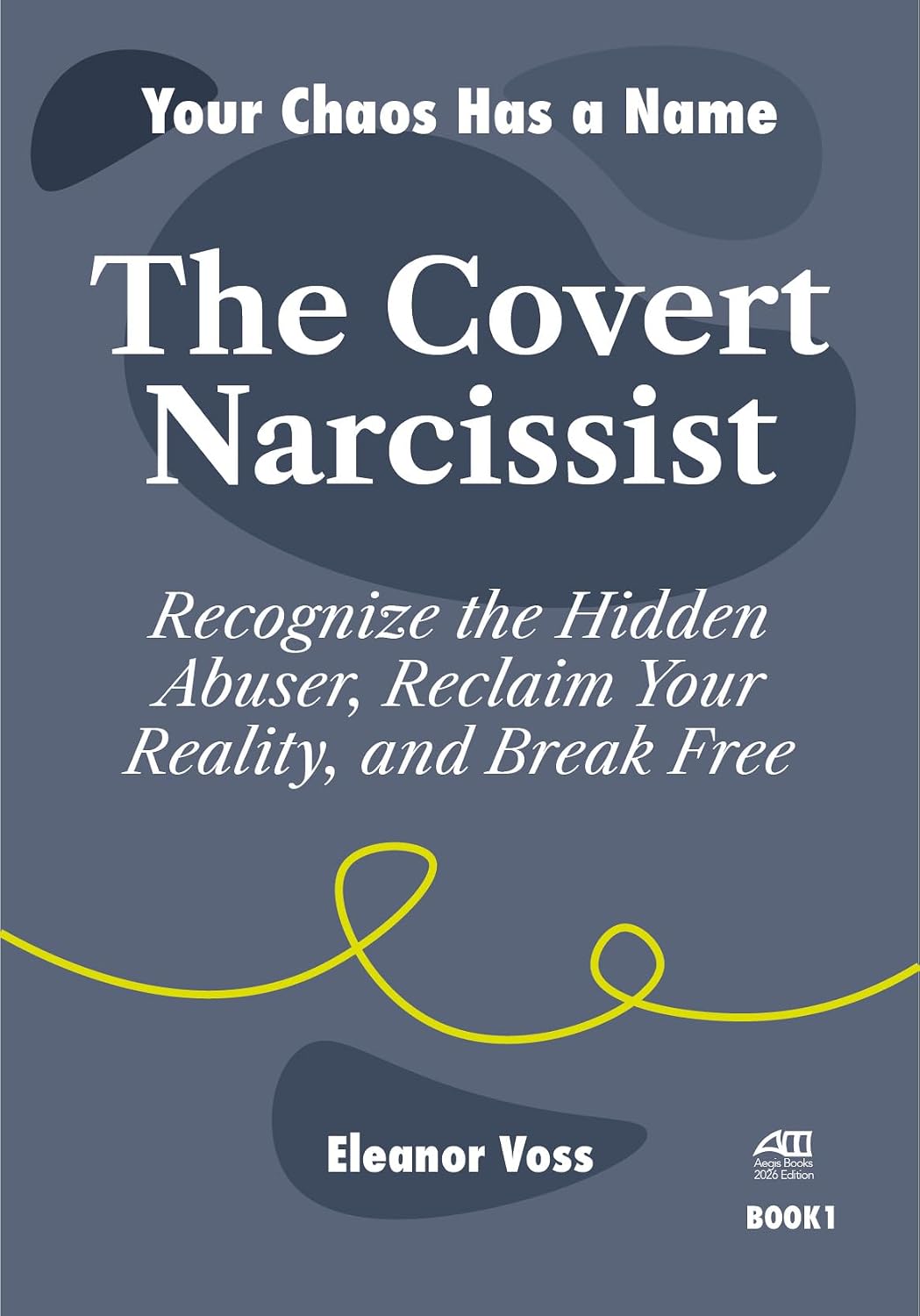
THE COVERT NARCISSIST cover
Essential Reading · Book 1

THE COVERT NARCISSIST

Recognize the Hidden Abuser, Reclaim Your Reality, and Break Free

Buy on Amazon →

📚 Clinical References & Sources

This article is grounded in peer-reviewed psychology research, DSM-5-TR diagnostic criteria, and evidence-based clinical literature. Eleanor Voss cites only validated academic and clinical sources.

  1. Bancroft, L. (2002). Why Does He Do That? Berkley Books.
  2. Herman, J. L. (1992). Trauma and Recovery. Basic Books.
  3. American Psychiatric Association. (2022). DSM-5-TR. NPD & Cluster B Personality Disorders.
  4. Evans, P. (1996). The Verbally Abusive Relationship. Adams Media.
Eleanor Voss
Eleanor Voss
Psychologist & Author of "Your Chaos Has a Name"

Eleanor Voss is an American psychologist and author specializing in narcissistic abuse, high-conflict relationship dynamics, and sovereign emotional recovery. Her work equips survivors with tactical, evidence-based frameworks to reclaim autonomy.

Want a free ARC review copy?
DM Eleanor directly on TikTok with the book title — she provides review copies in exchange for an honest Amazon review!

Open @eleanorvoss.book on TikTok →
Eleanor Voss, Author and Psychologist
Official Author Profile

Eleanor Voss

Psychologist & Author of the Your Chaos Has a Name Series

Eleanor Voss is an American psychologist and bestselling author specializing in narcissistic abuse recovery, maternal and paternal trauma bonds, and nervous system regulation. Based in Los Angeles, California, her practical guides have helped thousands of readers reclaim their sovereign reality and break free from toxic cycles.