Economic Autonomy & Recovery

Financial Abuse in Relationships: Signs, Legal Coercion, and Recovery

How Pathological Partners Exploit Credit, Conceal Assets, and Weaponize Money to Prevent Departure

Eleanor Voss, Psychologist
Eleanor Voss
Psychologist, Author & Trauma Specialist · October 5, 2026 · 9 min read
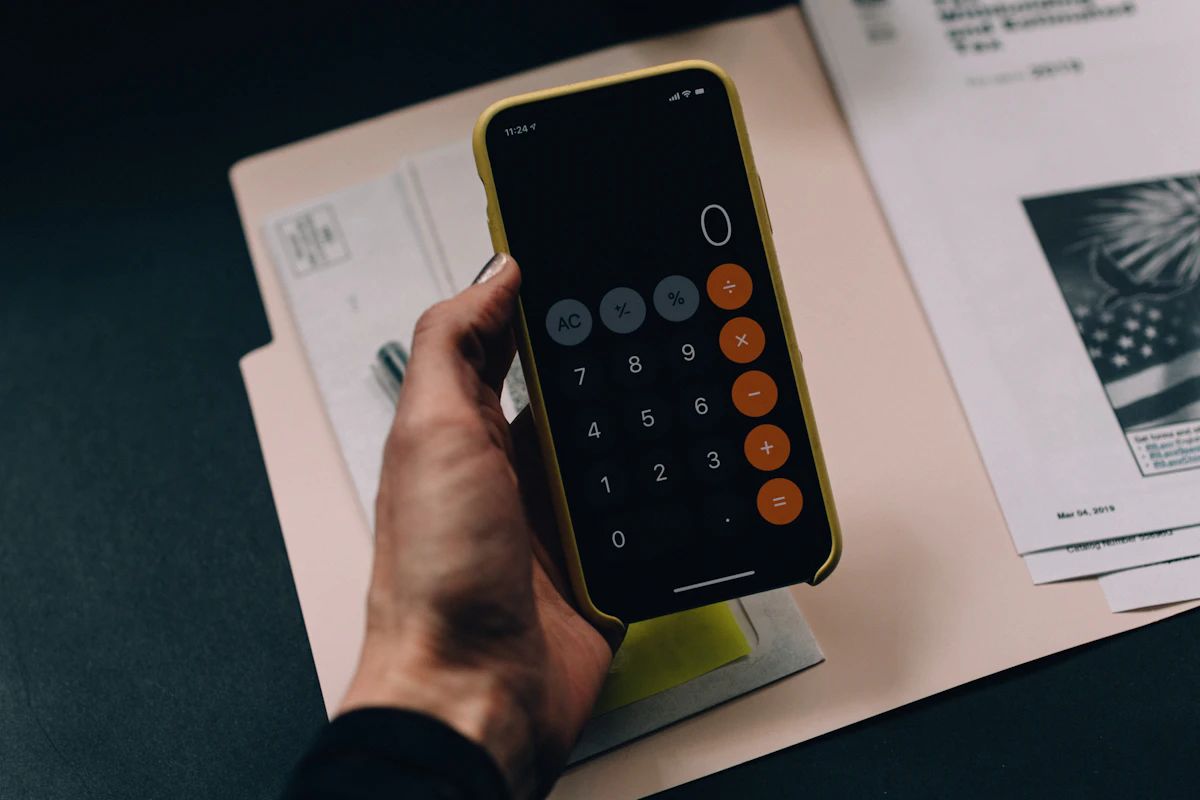
Financial documents, calculator and fountain pen on desk, representing financial clarity and economic sovereignty
Financial abuse is present in over 95% of domestic abuse cases, operating as an invisible economic cage.

In domestic and relational psychology, financial abuse is one of the most effective methods of coercive control. While emotional abuse breaks self-worth, financial abuse immobilizes the physical ability to leave. In the United States, economic abuse is documented in over 95% of domestic violence and abusive relationship cases.

Definition: Financial abuse involves controlling an individual’s ability to acquire, use, and maintain economic resources. It ranges from subtle guilt-tripping regarding personal income to fraudulent coerced debt and asset concealment.

1. The Spectrum of Economic Control

"Financial freedom is not about luxury; it is the physical prerequisite for safety and self-determination."

2. The 5-Step Economic Extraction Protocol

If you are planning an exit from a financially controlling partner, implement these immediate measures:

1. Freeze Your Credit: Contact Equifax, Experian, and TransUnion to freeze credit inquiries so no new accounts can be opened in your name.

2. The Clean Bank Account: Open an individual checking and savings account at a completely separate bank (not a different branch of the same bank where joint accounts exist) using paperless statements sent to a secure email address.

3. Document Everything: Secure digital scans of past three years of joint tax returns, mortgage statements, car titles, retirement balances (401k/IRA), and credit card bills.

Frequently Asked Questions (Clinical & Legal Strategy)
Q: What is coercive debt in a relationship?
Coerced debt occurs when an abusive partner forces, manipulates, or fraudulently uses your signature and credit to open loans, lines of credit, or credit cards in your name without your genuine consent.
Q: How can I prepare financially before leaving a narcissist?
Open an individual bank account at a completely different financial institution, freeze your credit across the major bureaus (Equifax, Experian, TransUnion), secure physical possession of tax returns and titles, and establish an emergency cash reserve.
Q: What can you do if a narcissist hides assets during divorce?
Retain a forensic accountant or legal counsel to issue subpoenas for bank accounts, retirement plans, business expense reports, and real estate records. Discrepancies between reported income and lifestyle spending often expose concealed assets.
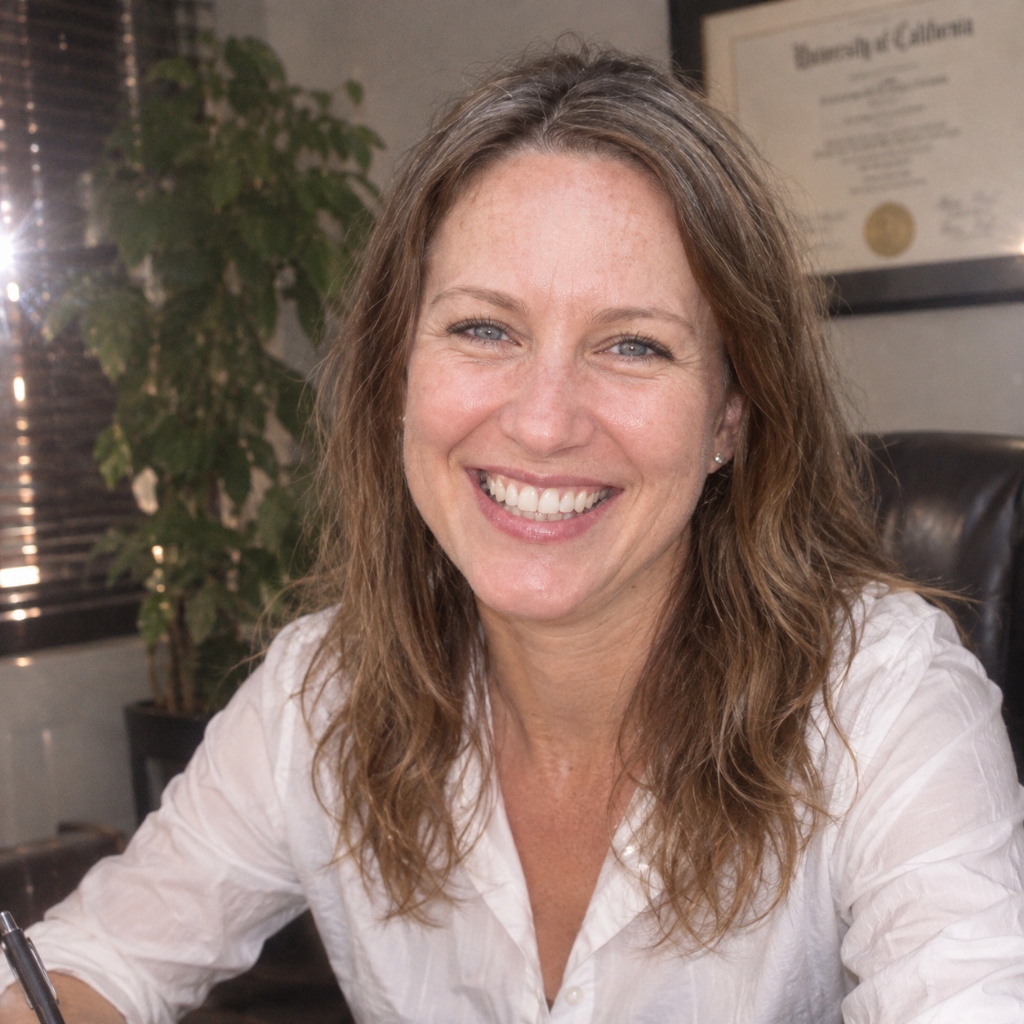
CODEPENDENCY cover
Essential Reading · Book 6

CODEPENDENCY

Rewire the Compulsion to Fix, Break Toxic Enmeshment, and Rebuild the Sovereign Self
Buy on Amazon →

📚 Clinical References & Sources

This article is grounded in peer-reviewed psychology research, DSM-5-TR diagnostic criteria, and evidence-based clinical literature. Eleanor Voss cites only validated academic and clinical sources.

  1. Adams, A. E., et al. (2008). Development of the Scale of Economic Abuse. Violence Against Women, 14(5), 563–588. PubMed
  2. Bancroft, L. (2002). Why Does He Do That? Berkley Books.
  3. American Psychiatric Association. (2022). DSM-5-TR.
  4. Herman, J. L. (1992). Trauma and Recovery. Basic Books.
Eleanor Voss
Eleanor Voss
Psychologist & Author of "Your Chaos Has a Name"

Eleanor Voss is an American psychologist and author specializing in narcissistic abuse, high-conflict relationship dynamics, and sovereign emotional recovery. Her work equips survivors with tactical, evidence-based frameworks to reclaim autonomy.

Want a free ARC review copy?
DM Eleanor directly on TikTok with the book title — she provides review copies in exchange for an honest Amazon review!

Open @eleanorvoss.book on TikTok →
Eleanor Voss, Author and Psychologist
Official Author Profile

Eleanor Voss

Psychologist & Author of the Your Chaos Has a Name Series

Eleanor Voss is an American psychologist and bestselling author specializing in narcissistic abuse recovery, maternal and paternal trauma bonds, and nervous system regulation. Based in Los Angeles, California, her practical guides have helped thousands of readers reclaim their sovereign reality and break free from toxic cycles.