

Unlike overt abuse, which leaves identifiable psychological scars, emotional paternal absence is defined by what was missing. It is the absence of eye contact, the absence of curiosity about your inner world, the absence of protection, and the silent message that your emotional reality was unimportant.
Clinical Concept (Childhood Emotional Neglect): When a father is emotionally absent, a child cannot conclude that their father is emotionally stunted. Instead, the child concludes: "There must be something fundamentally flawed about me that makes me unlovable."
1. The Spectrum of the Emotionally Absent Father
- The "Living Ghost" (Physically Present, Emotionally Blank): He comes home from work, sits behind a screen or newspaper, and remains completely disengaged from family interactions, offering no emotional warmth.
- The Pure Provider: Believes that paying bills and providing food is the entirety of fatherhood. Any request for emotional connection is met with defensive outrage: "You have a roof over your head, what more do you want?"
- The Distracted Workaholic: Channels all vitality and enthusiasm into his career, hobbies, or social circles, reserving only exhaustion and irritation for his children.
- The Numbed Father (Addiction or Depression): Emotionally dulled by alcohol, substance use, gaming, or untreated clinical depression, leaving his children with an erratic, unreachable presence.
"Neglect is the quietest form of relational trauma. You cannot point to a punch or a scream, but you can feel the cavernous void where attunement should have lived."
2. Adult Symptoms of Paternal Emotional Neglect
- Chronic Alexithymia and Emotional Numbness: Difficulty identifying or expressing what you are feeling, because emotions were never mirrored or validated in childhood.
- Fierce, Counter-Dependent Hyper-Independence: The deep belief that asking for help is dangerous or futile: "I can only rely on myself."
- Pervasive Sense of Emptiness (The "Void"): A persistent, hollow sensation in the chest or stomach that achievements, material items, or relationships struggle to fill.
- Fear of Being a Burden: Constantly apologizing for having needs, asking questions, or taking up physical and emotional space in relationships.
3. The Clinical Path to Re-Anchoring the Self
Healing from paternal absence requires moving beyond the myth of the father who will one day awaken. True liberation begins with somatic re-attunement:
- Learn to Feel Your Own Bodily Signals: Practice mindfulness and polyvagal grounding exercises to welcome the feelings that were silenced in childhood.
- De-shame Your Core Needs: Recognize that needing affection, validation, and emotional safety is a universal mammalian requirement, not a weakness.
- Build Chosen Attachment Figures: Cultivate friendships, partnerships, and therapeutic alliances characterized by emotional reciprocity, active listening, and warmth.
Frequently Asked Questions (Clinical & Legal Strategy)
Q: What is an emotionally absent father?
An emotionally absent father is physically present in the family home (or intermittently present) but emotionally disconnected, disengaged, and unresponsive to his children's emotional needs, feelings, and identity.
Q: Is childhood emotional neglect by a father as harmful as active abuse?
Yes. Neurobiological research shows that emotional omission registers as deeply in the nervous system as commission. The lack of attunement leaves children with a chronic sense of unimportance, emptiness, and developmental attachment trauma.
Q: How does an emotionally absent father affect adult attachment styles?
Adult children often develop avoidant attachment (defensive self-reliance and fear of vulnerability) or anxious attachment (chronic terror of abandonment and clinging to distant partners).
Q: Can you heal the father wound without ever receiving closure from him?
Absolutely. Closure is an internal achievement, not an external negotiation. Healing occurs through somatic self-regulation, building a secure internal base, and cultivating reciprocal, emotionally safe relationships.
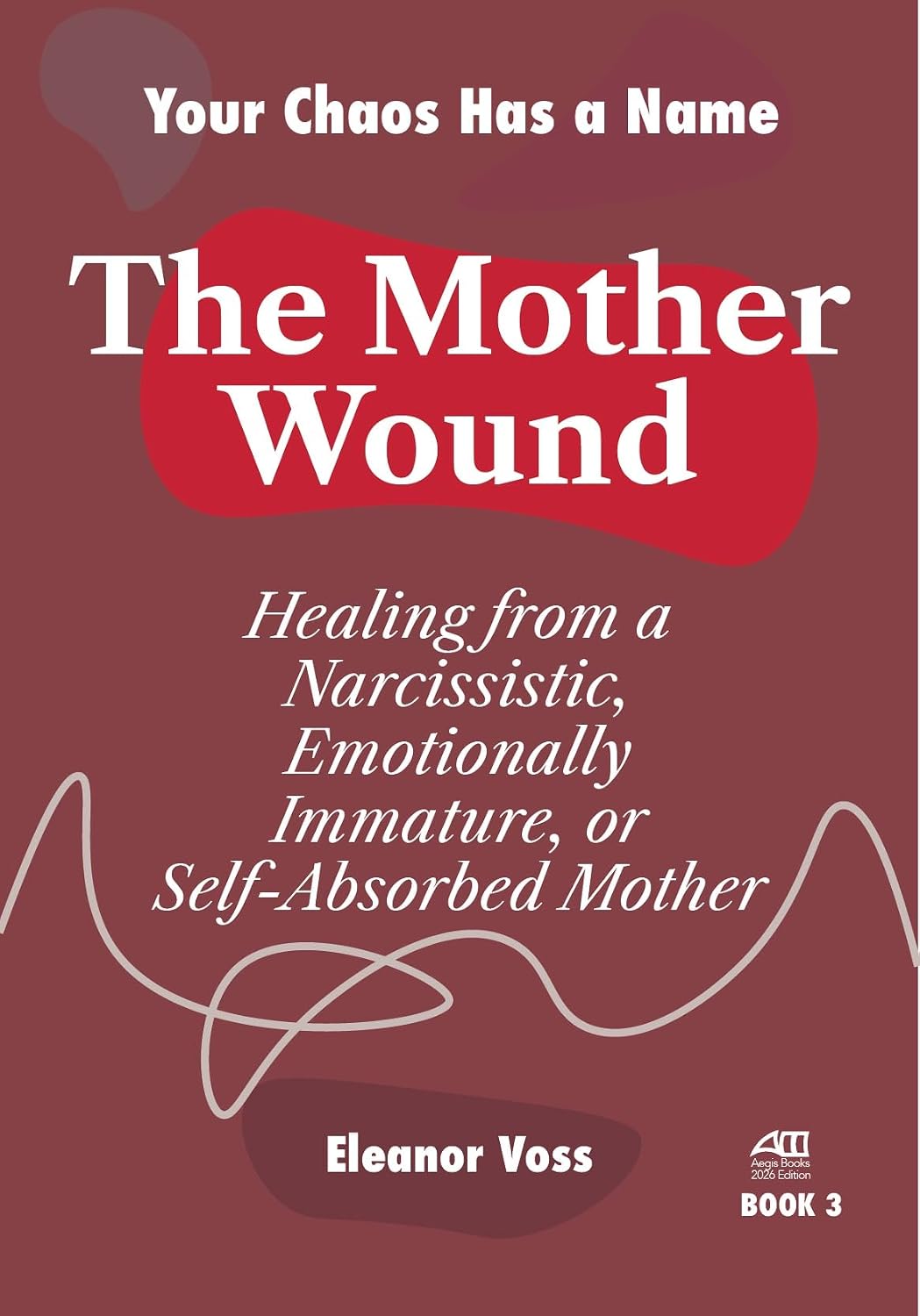
Essential Reading · Book 3
THE MOTHER WOUND
Heal from Childhood Relational Wounds, Break Toxic Enmeshment, and Reclaim Your Sovereignty