Post-Trauma Attachment & Dating

Dating After Narcissistic Abuse: The Nervous System Vetting Guide

How to Distinguish Real Chemistry from Trauma-Bonded Dopamine and Set Unshakeable Boundaries

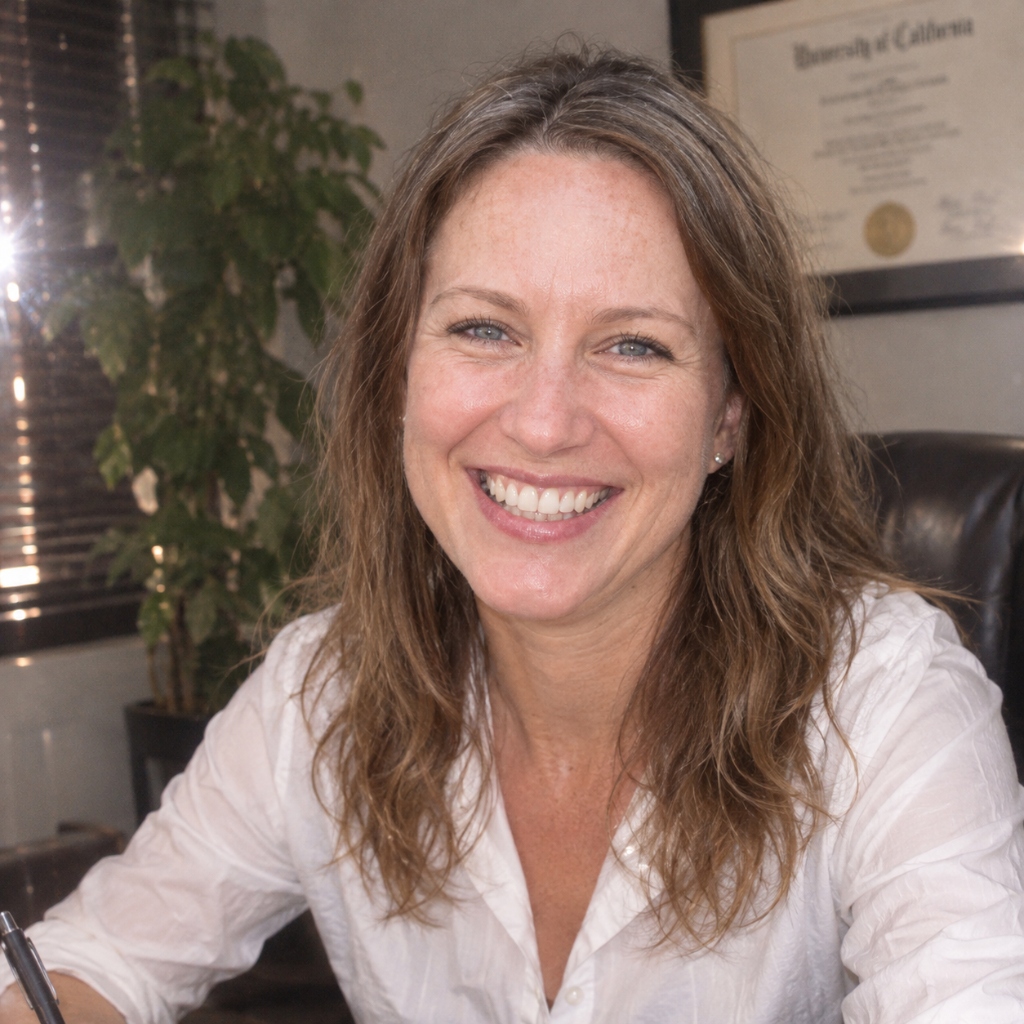
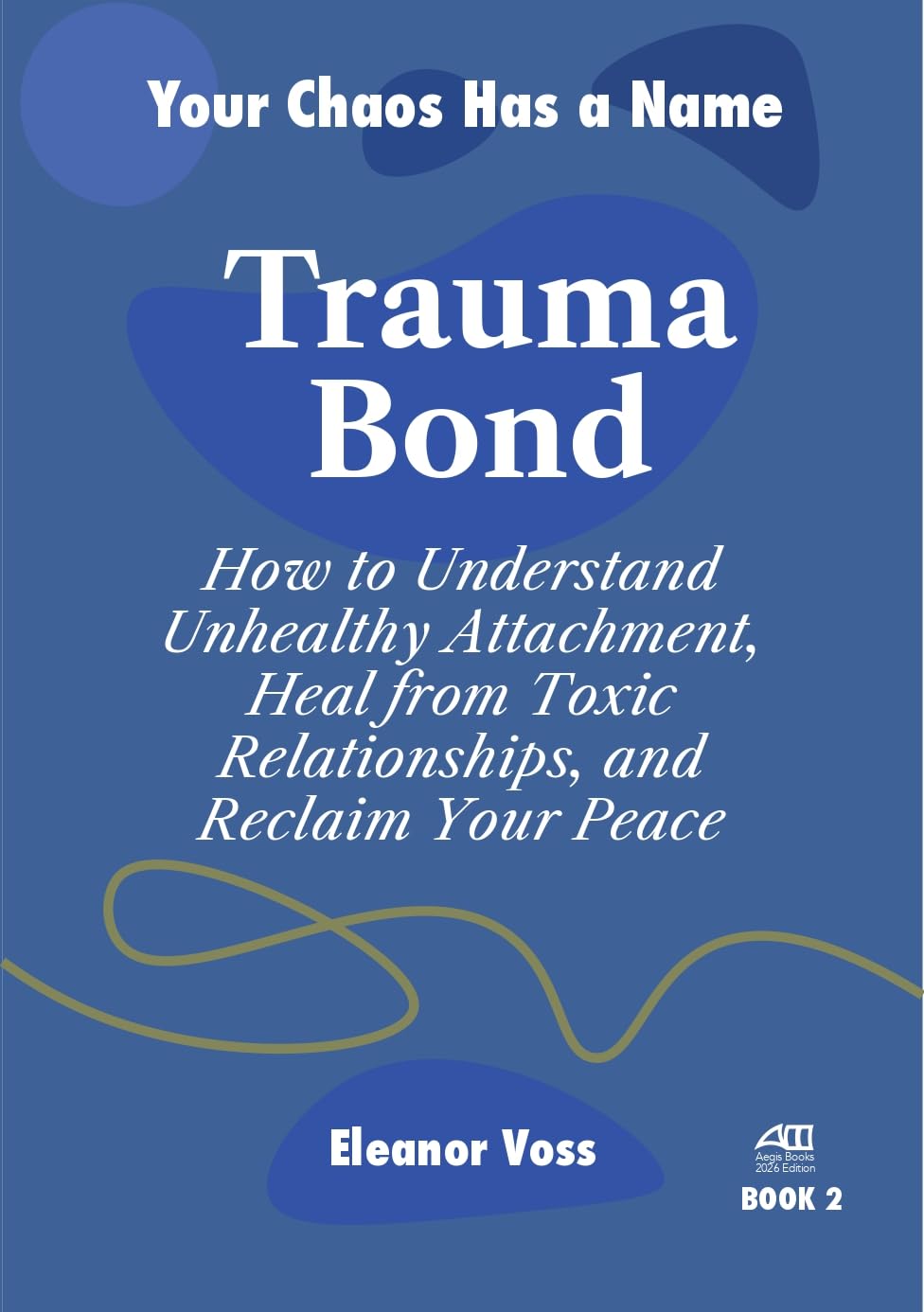
Eleanor Voss, Psychologist
Eleanor Voss
Psychologist, Author & Trauma Specialist · October 4, 2026 · 9 min read
A peaceful sunlit forest path with golden morning light, symbolizing hopeful new beginnings, discernment, and healed attachment
After narcissistic abuse, emotional stability can initially feel boring because your nervous system is wired to mistake volatility for passion.

Re-entering the dating world after surviving a narcissistic relationship can feel like navigating an emotional minefield. Your intuition has been eroded by gaslighting, and your autonomic nervous system has been calibrated to confuse high-anxiety drama with deep romantic connection.

Clinical Insight: The sensation of "instant soulmate chemistry" on date one is frequently your nervous system recognizing familiar childhood attachment trauma and narcissistic love-bombing patterns.

1. The 90-Day Vetting Protocol

Narcissists and manipulative partners can maintain a flawless facade of attentiveness, generosity, and charm for roughly 60 to 90 days. Beyond that threshold, the effort of maintaining false empathy begins to slip under the weight of everyday life, minor schedule conflicts, or delayed responses.

Protect yourself by slowing down pacing. Do not move in together, merge finances, or profess premature commitment in the first 90 days. Treat the initial months as an observational vetting period.

2. Early Litmus Tests: The "Low-Stakes No"

"Healthy love is calm, consistent, and predictable. If it feels like an emotional rollercoaster, it is not love—it is an addiction."

Frequently Asked Questions (Clinical & Legal Strategy)
Q: Why do healthy partners feel 'boring' after a narcissistic relationship?
Survivors of narcissistic relationships become conditioned to adrenaline and dopamine spikes caused by intermittent reinforcement. When an emotionally secure partner provides consistency, the nervous system misinterprets the absence of drama as an absence of chemistry.
Q: What is the 90-day vetting rule in dating?
The 90-day rule states that you should observe potential romantic partners over three full months without rushing physical or domestic enmeshment, allowing manipulators' charm facades time to fracture under normal relational stress.
Q: How do you test a new partner's respect for boundaries early?
Say 'no' to a minor request early—such as declining a proposed dinner time or rescheduling a date. A secure partner responds with understanding; an abuser exhibits passive-aggressive irritation, guilt, or boundary pushback.
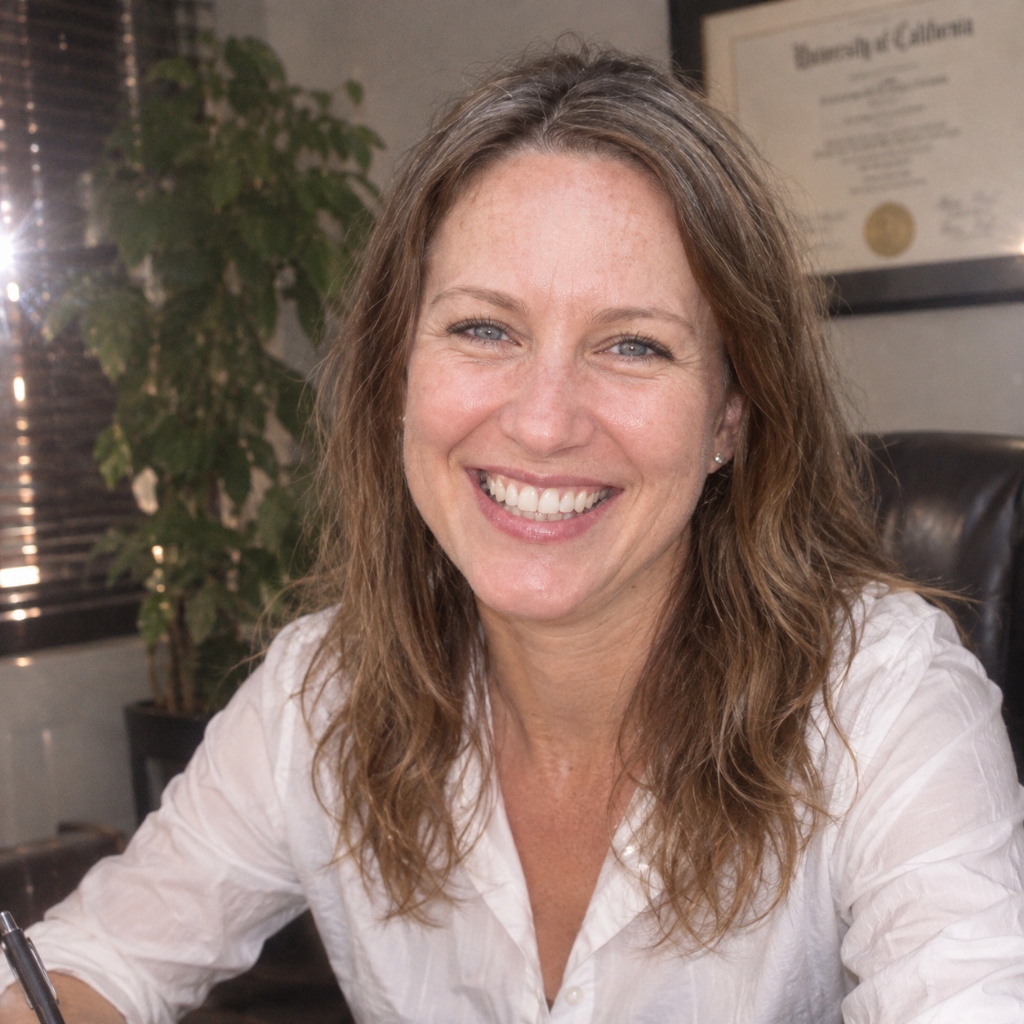
TRAUMA BOND cover
Essential Reading · Book 2

TRAUMA BOND

How to Understand Unhealthy Attachment, Heal from Toxic Relationships, and Reclaim Your Peace
Buy on Amazon →

📚 Clinical References & Sources

This article is grounded in peer-reviewed psychology research, DSM-5-TR diagnostic criteria, and evidence-based clinical literature. Eleanor Voss cites only validated academic and clinical sources.

  1. Herman, J. L. (1992). Trauma and Recovery. Basic Books.
  2. van der Kolk, B. (2014). The Body Keeps the Score. Viking Press.
  3. American Psychiatric Association. (2022). DSM-5-TR. PTSD & Attachment-related disorders.
  4. Walker, P. (2013). Complex PTSD: From Surviving to Thriving. Azure Coyote Books.
Eleanor Voss
Eleanor Voss
Psychologist & Author of "Your Chaos Has a Name"

Eleanor Voss is an American psychologist and author specializing in narcissistic abuse, high-conflict relationship dynamics, and sovereign emotional recovery. Her work equips survivors with tactical, evidence-based frameworks to reclaim autonomy.

Want a free ARC review copy?
DM Eleanor directly on TikTok with the book title — she provides review copies in exchange for an honest Amazon review!

Open @eleanorvoss.book on TikTok →
Eleanor Voss, Author and Psychologist
Official Author Profile

Eleanor Voss

Psychologist & Author of the Your Chaos Has a Name Series

Eleanor Voss is an American psychologist and bestselling author specializing in narcissistic abuse recovery, maternal and paternal trauma bonds, and nervous system regulation. Based in Los Angeles, California, her practical guides have helped thousands of readers reclaim their sovereign reality and break free from toxic cycles.